Friday, September 9, 2022

Queen Elizabeth II, Rest in Peace

Queen Elizabeth II has died at the age of 96, three months after the celebration of her “Platinum Jubilee” marking an extraordinary 70 years as constitutional monarch of the United Kingdom, as well as Canada, Australia, New Zealand, and ten smaller independent nations formerly of the British empire that still retain the British monarch as Head of State.

This has struck me in a personal way. Everyone from my generation knows "the Queen" (no further specification was necessary). English speaking peoples in particular - regardless of whether or not they were her "subjects" - were aware of her as a kind of cultural institution. I remember her from my childhood. There are very few established public figures from my childhood that are still alive today. But the Queen and her royal family have lived very much "on the stage" of the latter half of the 20th century and the 21st century thus far. She was a consistent presence in everything from global politics to gossip. She was "around" and "in the background," like a mountain. As the years went by, she didn't seem to change very much. So many things were changing, wildly changing, in my younger days, but the Queen remained statuesque, a living "monarch" who was pictured on Canadian money and associated with so many English traditions that were familiar to all of us. We knew that she didn't have any "real power" and yet somehow she "mattered" in the U.K., and that sense echoed throughout the English-speaking world.

The "British Invasion" of popular culture in North America was (and remains) a formative influence for anyone who listened to music or watched television in my lifetime. I have never considered myself an "Anglophile" - I have no ethnic connection with the British, and their stiff-upper-lip ways are decidedly different from my own. But the English language does create a certain kind of common bond. The waves of British cultural influence have affected that bond during my life. It wasn't only the Beatles and all the subsequent music; it was also Shakespeare on television, and the quality of British actors in various dramas and comedies that were an inseparable part of the Anglo-American experience (from Brideshead Revisited to Fawlty Towers). And Her Majesty the Queen was always on the horizon.

In 1981, I watched the wedding of Prince Charles to "Lady Diana Spencer" on television, because back then there weren’t so many live broadcasts of internationally significant events, much less something as colorful and unusual as a royal wedding. I knew some things about Prince Charles too. I knew that "someday" he would be King, though I expected it to happen much sooner than 41 years into the future. (I also knew that Charles played the cello, which interested me because I also played the cello. Little details about the royals - not anything shocking, in those days - were always popping up in magazines and such.) Charles was "preparing" to be King in the 1970s, then in the 1980s, and then everything fell apart with Princess Diana and it began to appear that it would be better for Charles live out his life quietly in some corner and never become King. Into the 21st century, Prince William entered the scene with Kate Middleton, and Williams’s father seemed more or less on the shelf, a retired heir, while the Queen looked like she would just go on forever. Now, suddenly, in 2022, she is gone from this world, and he is King Charles III.
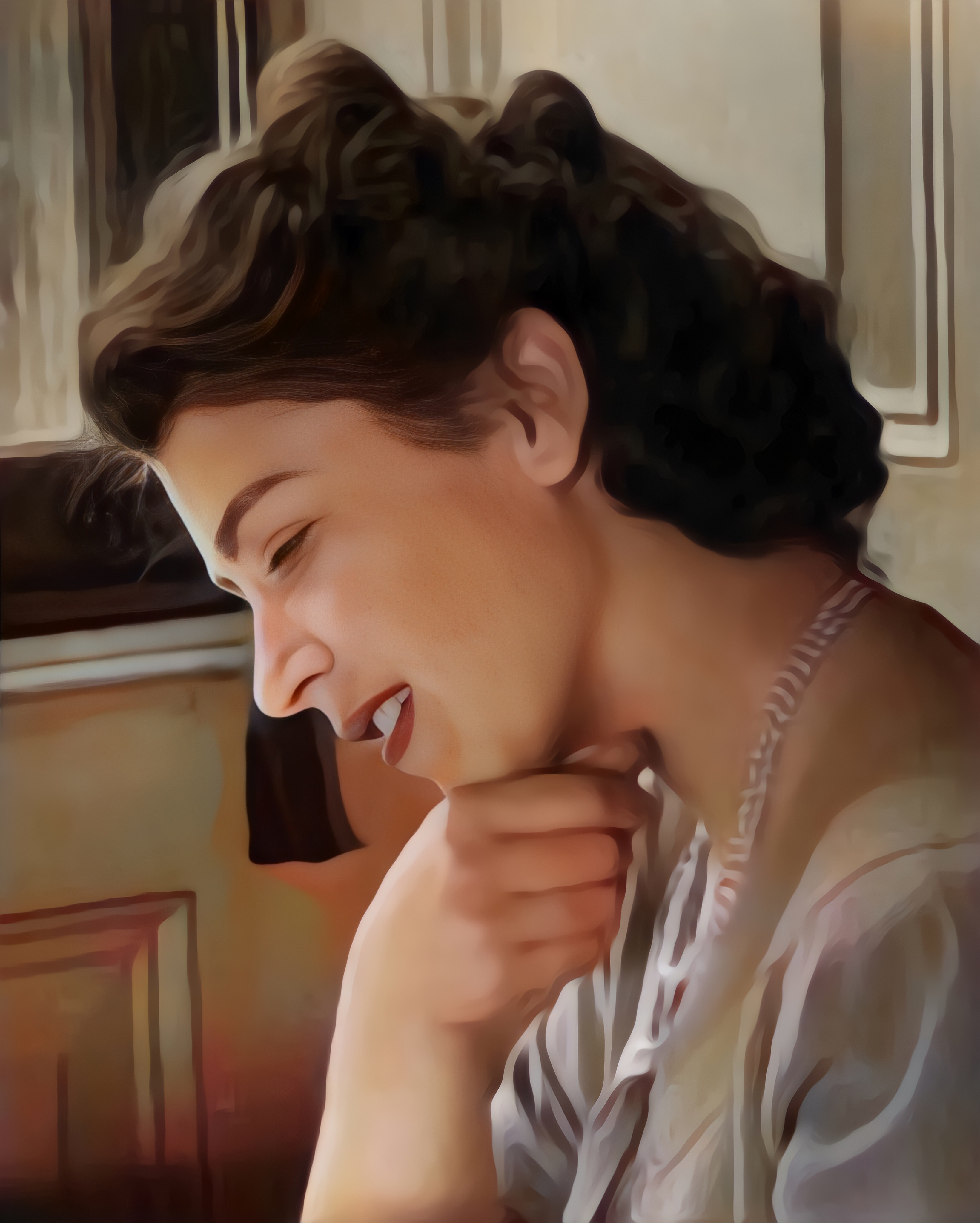
May God grant eternal rest to Queen Elizabeth II. Now, for the first time in my lifetime, the British are once again singing, “God Save the King.” In the whirlwind of fresh turmoil that seems inevitable to me in the near future, the King is not the only one who will have to grapple with new and difficult challenges. The English, for the moment, are holding back their worries over the future of their monarchy, but in the long run it’s hard to envision how that future might unfold.

I can’t say it’s the highest on the list of my worries. After all, my country declared independence from the British monarchy 246 years ago. Part of what shapes the imagination of people in the United States of America is that we don’t have any kings or queens here. Right? As a native citizen of the U.S.A., I’m expected to view any form of monarchy as antiquated at best and tyrannical at worst. But I have studied too much history to dismiss the potential for monarchy - in certain nations - to be a constructive, organic element among interrelated political institutions that serve the common good of persons in society. For example, many democratic countries today have some kind of more-or-less symbolic "Head of State," who is not involved in the political or legislative process, but who serves as a "ceremonial" leader: someone who presides over national celebrations, bestows honors, receives diplomats, and represents "national unity" from a perspective "above" the often-contentious political fray. 

This public figure is often an "elder statesman" of some wisdom and good judgment who does not have effective political power to initiate government action, or to make, veto, or enforce laws, but who does have some measure of "soft power" as master of ceremonies, ambassador-at-large, mediator, advisor, and point of reference for continuity in the midst of changes in the actual government. He or she may exercise a formal constitutional role in appointing ministers and approving legislation, but the constitution itself prevents him or her from changing decisions of the democratically elected legislature. 
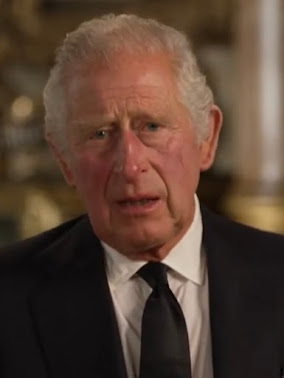
This office is effectively the equivalent of a "constitutional monarch," and in a Republic is often styled as "President" (e.g., the "President of Italy" is one example that comes to my mind). Government institutions vary in particulars from one nation to another, but this type of ceremonial/symbolic presidency is particularly suited to nations that are structured according to the "Westminster Model" of parliamentary democracy (which is, of course, the British model in its broad elements), in which the leader of the majority political party - or governing coalition - in Parliament is the de facto head of government, with the title of "Prime Minister." In such a system, the quasi-monarchical "President" is elected directly or indirectly for a long - though usually not unlimited - term of office. Such Presidents serve as the custodians of the dignity of public life in their countries, and in relation to other countries.

It is not difficult for new nations to design an office of this kind, and provide for a ceremonial Head of State who serves a definite term in this “presidential office” practicing the valuable art of “political diplomacy” as his or her contribution to building up the common good. But the particular type of hereditary monarchy that acquired its distinctive style in medieval Europe is by its very nature an institution with centuries of heritage, and if it exists in any form today in some European countries it is because it has retained consistent popular approbation.

Generally, kings and queens in a constitutional monarchy fulfill many of the roles of "Presidents" described above. The hereditary feature, however, allows a royal family to also serve as a vital link to the past, the achievements of previous epochs, and the historic and natural beauty of the land itself where the citizens dwell.

It’s hard to imagine how a new nation could set up a useful hereditary monarchy “from scratch” in the world today. The rituals, customs, and popular deference that give such monarchies the supportive context for carrying out their national roles are not things that can be manufactured. They must emerge from many generations of history, and they endure by balancing consistency with flexibility that allows them to adapt in the face of historic changes. But if a country already has an ancient monarchy that has adapted itself to remain vital within the participatory and representative democracies of our time, I think they would lose an important component of their national life and cultural patrimony by simply getting rid of it.

The British monarchy has had its ups and downs over the course of more than a millennium, to say the least. Its greatest tragedy remains its role five centuries ago in the violent separation of Anglican Christianity from the Catholic Church shepherded by Christ through the Successor of Saint Peter. Ironically, while distancing itself from Christ's sacramental presence in the Catholic Church, the British monarchy preserved (but also to some extent “petrified”) many of the outward forms of monarchical ritual, solemnity, and pageantry from the Middle Ages. It is hard to see much real value in these unique features of the British monarchy except insofar as they remain echoes of the Catholic people who once recognized their significance. Today, of course, the U.K. is a society of many ethnicities and diverse religions. It is also a troubled and divided society. At the same time, the Catholic Church has been undergoing a small but persistent renewal ever since the conversion of the great Saint John Henry Newman in the mid-19th century. We must continue to hope that the monarchy will set itself aright once again, at least regarding its claim to “rule over” (even symbolically) the Anglican communion as England’s official, “national form” of Christianity. A secularized Britian with a monarchy entering into a period of lower profile may create conditions in which this long and necessary process of healing and reconciliation can flourish and grow in new ways. May Jesus and His Holy Mother grant that it be so.

Queen Elizabeth II was probably “existentially ignorant” of the real meaning of the destructive rupture that took place when her predecessors imposed (sometimes brutally) upon their realms and peoples a separation from the fullness of Catholic unity in the 16th century. She was also hindered by other limitations of perspective, and yet she accomplished much that was admirable in her long reign. The fact that the British monarchy has survived to 2022 (and has a chance at continuing to be valuable in the future) owes much to the long years of dignity, persistence, and dedication that Queen Elizabeth brought to her seven decades of service in the midst of so many changes and so much immense material growth as well as dizzying upheaval.

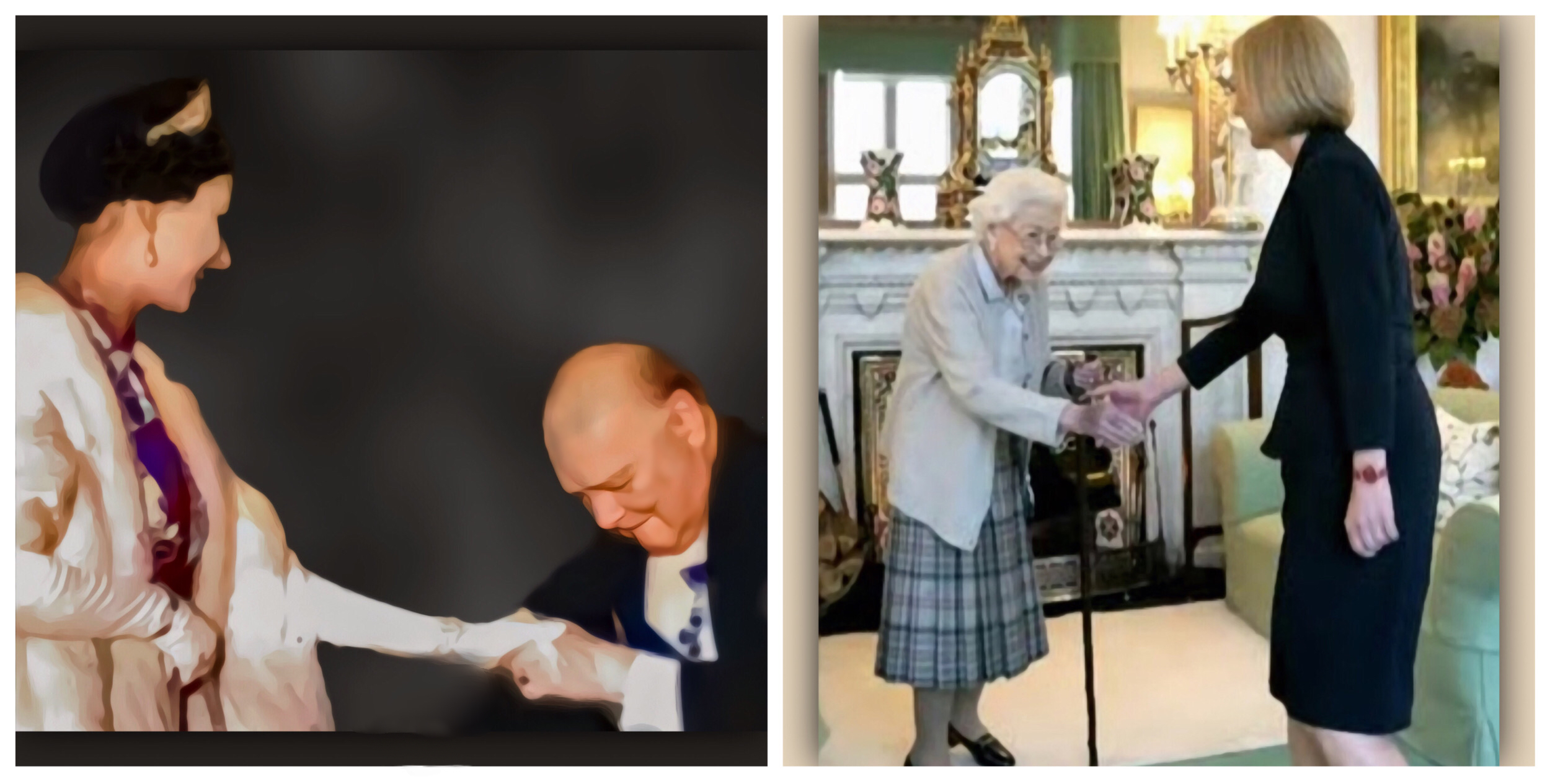
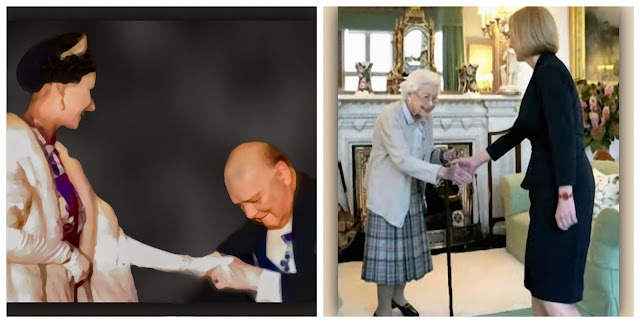
The two pictures below give us a sense of how remarkable and how historically extensive the quiet work of the Queen was during her 70-year reign. As Queen, Elizabeth II was served by no less than 15 Prime Ministers. In the picture on the right, we have the last public photograph of the Queen, who formally received the newest British Prime Minister Liz Truss on September 6 at Balmoral Castle (two days before her death). In the picture on the left, young Queen Elizabeth greets her first Prime Minister in 1952. His name was Winston Churchill.


Wednesday, September 7, 2022

September Rains and Rolling Valleys

So far in September 2022 we’ve had some stormy skies, some much-needed rain, and some lovely weather in the rolling fields of the country. Summer is still very much with us.


Monday, September 5, 2022

Mother Teresa Watches Over Us

This year marks the twenty-fifth anniversary of Mother Teresa’s death (which came a week after the fatal accident of her friend Princess Diana). 

Today’s generation knows people like her and John Paul II as “historical figures” (which they are), but I hope they also turn to them with confidence in the present moment as loving and attentive spiritual friends and intercessors who remain with us in the communion of saints, in the super-vitality of Christ’s Mystical Body.

Things she spoke about 30-40 years ago are still meaningful for us today:

"There is a terrible hunger for love. We all experience that in our lives - the pain, the loneliness. We must have the courage to recognize it. The poor you may have right in your own family. Find them. Love them."

"Smile at each other. Smile at your wife, smile at your husband, smile at your children, smile at each other - it doesn't matter who it is - and that will help to grow up in greater love for each other."

Sunday, September 4, 2022

The Mystery We Seek Has Come and Dwells With Us

Life is a search for the Mystery that gives meaning to everything.

And there is Someone who has come, who has revealed the ‘answer’ to the ‘need’ that constitutes the human heart, the core of the identity of every person - Someone who makes us exist, who loves us, and who calls out to and awakens our longing for fulfillment. The things of this present world are a wonder to us in the many ways they suggest, point toward, and hint at the promise of an Ultimate, inexhaustible Goodness beyond themselves, a Goodness wherein all things find their purpose and where we find the meaning of our lives. Our hearts are made to search for the paths toward this mysterious fullness.

And this is the good news: Someone has come who is this fullness in His person, who is the Mystery we long for, who is the way to the fulfillment for which we are created. It is Jesus Christ, who is present, who dwells with us, who accompanies each one of us and proposes Himself - relationship with Himself, belonging to Him and following Him who has been sent from the Father in the Holy Spirit - He is the “permanent,” the Infinite One, the source and fulfillment of all the desires that are awakened in our hearts by life, of all the longings for the Mystery for which we have been made. He is Love, Infinite Love, given to us, made flesh, who offers Himself, who wants to be loved by us. 

"Christ is so correspondent to what I am that when I encounter Him I can finally understand Whose presence I long for: that of One who tells me, 'I am the Mystery that is missing in every thing you enjoy, in every promise you live. Whatever you desire, try to attain, I am the Destiny of all that you do. You seek Me in all these things!'" (Luigi Giussani).

Friday, September 2, 2022

Twenty Years Ago: Avril Lavigne, the Millennial Teenage “Rebel”

At the beginning of Summer 2002, a diminutive 17-year-old Canadian singer named Avril Lavigne released her first album, Let Go.

[Yes, my dear “Millennial” friends, it was twenty years ago. You are just beginning to discover that life really is “short,” and that youth is just a blink-of-an-eye in a normal human lifespan.]

Readers of this blog know that Avril Lavigne holds a special place in my heart because of her openness about her harrowing experience with Lyme Disease. I don’t endorse her lifestyle (which, as rock stars go, is “relatively tame”) or her views (whatever they are) or her preoccupation with using the “eff-word” in so many songs and in practically every “effing” interview she gives (nearly always as an emphatic term rather than as an obscenity, but still…). I have come to appreciate her unique qualities as a singer and songwriter, an artist who gives compelling vocal shape to a wide range of raw human emotions. She has been amazingly resilient in grappling with the problems of adolescent fame and ongoing success, as well as the fickle attention of the spotlight, the notorious unfairness of music critics, and a lot of personal problems and suffering.

Avril is one of those people who are artists because they can’t help being artists, who communicate through their craft the good, the bad, and the ugly inside themselves and all around them. Their talents are relentless natural forces that push them in contrary directions, provoke attention (and crave it), and invariably tend to express the “mood of the moment.” They can inspire others or drag them down, and technological media has the power to amplify them into generational (or multi-generational) “icons” in ways we still don’t much understand, ways that are fascinating and disturbing and dangerous.

I’ve gotta love Avril Lavigne. Her life is (and was) hard enough even without Lyme Disease. She’s one of the artists I especially pray for (n.b. I have long had a practice of “spiritually adopting” artists, especially musicians who have troubles that I can relate to - it’s not something I take lightly, either). Avril has a lot of struggles. She’s also kinda crazy, and plunges recklessly through certain things in life without caring who’s watching. At the same time, she has some kind of “compass” (artistic? moral? religious? a combination of all of them?) that guides her and keeps her from moving completely “off the map” as she continues to search for her identity and purpose. Most importantly, she’s a human being. She's a mess but doesn't pretend to be coherent. 

Avril is also on the threshold of dramatic and perplexing human changes that everyone must undergo if they live to the age of 40. The tricks used to evade, postpone, or ignore middle age don’t really work - not even for rich people or rock stars. This is not ultimately a problem, because the passage of time is one of the great mercies granted to human beings that provoke us to face reality, which can allow us to rediscover reality as a gift and grow along the directions it indicates. Avril can still dream of her future, but she’ll never be young again. I hope she doesn't get tangled up in trying to preserve something that is not meant to last. There are plenty of people who are willing to take advantage of that kind of desperation, making money by fostering illusions that only engender more desperation and greater difficulties moving forward in life. Celebrities are especially prone to being made fools of in this way. The rest of us are prone to follow them.

In the year 2022, Avril Lavigne is an established member of the celebritocracy. Just last week, she got her “star” on the Hollywood Walk of Fame. Even though she is not yet 38 years old, she is generally referred to in the past tense, though she has many facets to her artistry, and I hope she will be able to develop some of them, especially those that stretch her beyond her vast natural talent and her still-irrepressible charisma. Lyme Disease took several years out of her career, but it also inspired her creativity in new ways. Lately, however, she hasn't said much about her illness. I can't blame her for that; when Lyme is in remission, you don't want to think about it. You feel fabulous. You want to put the nightmare behind you. Still, you know it could come back. I understand what this whole experience is like.

But we are looking back twenty years, to a time when Avril's life was less "complicated," back before Lyme Disease and the crazy decade of global superstardom that preceded it, back to the first album, where Avril didn't use any cuss words (even if it was only to please her mom) and acted like the kid she sang songs about: the small-town girl from Napanee, Ontario who played hockey, mowed lawns, fussed with her hair, hung out at the local pizza joint, felt out of place in high school and awkward with boys, sang all the time, and struggled to find words for the large intuitions that resonated within her. 

The result was an album that catapulted her to massive pop star heights in 2002-2003. Nobody saw her coming at the beginning of 2002. Here was this teenager wearing baggy pants, some “punk” accessories (because they looked “rock-n-roll”), and then whatever tee-shirt she happened to pull out of her bag, and—of course—a loose-hanging necktie that looked like she stole it from her dad… which she probably wore just because it clashed with everything else. But she was a terrific singer, who also had heaps of natural charisma. And she was in “right place at the right time.” Teenagers went crazy for her all over the world.

Suddenly, Avril was a celebrity. But in those days, she didn’t seem fazed by it. She remained remarkably free of the protocols of celebrity-dom, sticking her sneakers on Jay Leno's chair, sitting cross-legged on Oprah's stool, and not caring that she looked 17-years-old during an interview, which included looking bored or perplexed sometimes. She was unselfconsciously surprised by the insane level of fame that rained down on her in a single year. She never dreamed that her album would sell upwards of seventeen million copies (and counting). Let Go remains the biggest selling album by a Canadian artist in the 21st century, and there are a lot of Canadians in the business these days (Justin Bieber, Drake, etcetera). 

Of course, what it means to "sell an album" has completely changed since 2002. Back then, we're talking millions of CDs that sold all over the world. Clearly, a chord was struck that resonated with lots of people (and not just kids, by the way). I think the explanation for this phenomenon is the simplest one: Let Go is a pop music masterpiece, and the main reason is that Avril sings every song like a boss! She makes even the corny tracks sound convincing and earnest, because she meant them to express her honest self: she aspired to be cool, but she was not afraid to lay on the table her growing up as a Canuck redneck, a dreamer, an old-fashioned romantic girl, a gritty troublemaker, a kid who really liked skateboarding, who was driven to make music, and who was searching for something really awesome in life and was determined to find that awesomeness even though she didn’t know what it was or whether she should grasp it like a conquest or let it lead her to “somewhere new.”

Just listen to this album. Yes, there are the signature hits that everyone still associates with Avril: “Complicated” and “Sk8er Boi” (“ouch!” says the English language to this funky spelling, not realizing that English is gonna take a huge beating over the next 20 years at the hands of texting and Twitter). But every song on the album is a keeper, and Avril displays mastery over a whole range of song styles: there’s plenty of straight-up rock (starting with “Losing Grip,” the roaring guitars and soaring vocals of the first track), but also beautiful ballads, slow, reflective pop songs, and even one song that has a kind of rap (by 2002, everyone was rapping, or trying to). Avril makes it work in “Nobody’s Fool,” playing the rhythmic diction off against her now famous melodious “la-la-la-la-la-la” (if you know her music, you know what I’m talking about). The whole album is just a blast. It brought the fun of rock-and-roll back into pop music.

The songs are meaningful too. I’m not a big “lyrics” person. I’m a guitarist, and when I was young I composed some “songs” for acoustic guitar, but they were all instrumentals. I performed them many times in public. They are not written down (I read music and had nine years of classical training for cello, but I have always played guitar by ear only). Alas, I can’t remember how to play any of those songs. Long ago, I recorded all my songs on a cassette tape. It was about a half hour of music. Unfortunately, I don’t know where the tape is. Anyway… growing up in the 1970s, we generally trained ourselves to try to “ignore the lyrics” which were either “not edifying” or else - in the case of a band like Yes - just basically meaningless. Since those days, unfortunately, many lyrics have become even less edifying and also more difficult to ignore. But on Avril Lavigne’s first album, she had a lot of interesting things to say. Critics called it “teenage drama,” basically dismissing her words. But they were missing a critical factor: adolescent “drama” is human drama - it is the dawning of self-awareness and of the need to engage the complexities of life, to ask big questions, to experience wonder. Avril, through her creative intuition, expressed the connection between being a teenage girl in 2002 and being human at any time, in any place, at any age. For example, “Anything But Ordinary” is a remarkable song. What is it about?


Um, wow! The whole world provokes this “weird” desire for… what? Something not mundane, something beyond “common sense,” something amazing, something worth dying for, but also not an alienating abstraction; something we long for and that we seek through the mysterious promise of the world and our lives. What is the urgency of this “desire” she is trying to describe? It is a desire: “I wanna taste it” even if I have to “rip my heart out.” What is this deep need for something I can’t name? I can only throw adjectives at it until I arrive at “permanent, no way.”

Avril doesn’t know what her desire is, but she feels its urgency (and you really have to hear her sing these words - they hit you in the gut). She tries to follow this desire by living dangerously, but that’s not the answer. She’s desperately attempting to resist becoming numb to the fascination of reality which she can only describe as “anything but ordinary.” The song becomes an effort to dialogue with “somebody” (who?) and she’s asking, begging: “c’mon now give it to me / anything to make me feel alive” - then more words addressed to “somebody” in the refrain above, “rip my heart out… save my life… I’d rather be anything but ordinary, please…” Please.

Our dominant culture wants us to believe that teenagers don’t have this desire. They just want sex and parties and stuff that costs money (and that turns into profits). But at the turn of the millennium, the “iconic” teenager - Avril Lavigne - cries out, “is it enough?” She uses “kid” terminology: “to walk within the lines / would make my life so boring.” Hmmm… what are “the lines” and who draws those lines for kids in the twenty-first century? 

And, yes, “boring…” The ultimate complaint of the adolescent, which we are so easily inclined to dismiss as simply immature (and often it is - as I know well, having raised four young adults and currently still raising one pretty extraordinary teenager). But we don’t ask ourselves, “Why are adolescents ‘bored’ all the time?” It’s not “natural” for them to be bored. What’s natural is for them to be passionately engaged in human life in all its facets, which they are in the process of discovering for the first time. Their boredom is a sign of something missing. The dominant culture draws the lines and we - their parents and teachers - walk within them, distracting ourselves, spending money, forgetting our own desire for life, for greatness, for the “permanent, no way” that would draw us out of our comfortable apathy, provoke us, “freak us out” indeed, because it is a strange and dramatic thing to be a human being. “I freak myself out,” confesses Avril.

The magnificent ballad, “I’m With You,” raises the same powerful intuition that being human is a need, and that we have no course except to search for someone. Avril doesn’t know who this “someone” is, but she hopes they know who she is, and can take her ‘home’ - “it’s a damn cold night / tryin’ to figure out this life / Won’t you take me by the hand / Take me somewhere new? / I don’t know who you are / but I / I’m with you.” But you have to hear how she sings these words, and where she takes them vocally at the end of the song. I’m still “shaken up” every time I hear it.

Here is a collage of 2002 teenage Avril:


Here she shows the face of her generation, the much-maligned Millennials who have grown up blowing in the wind, and who long to find some solid ground. Avril proves that the Millennial kids should not be reduced in the minds of their elders to a bunch of over-privileged, whiney deadbeats. She expresses their starving, searching human hearts.

How are all of you today, my Millennial friends? I had many of you as students 20 years ago. I wish I had understood you better. You now know that your hearts never stop crying out. And now, age forty is approaching and it’s been a bumpy ride through life, with an exhausting array of experiences but not much to hold on to, and not much direction for what comes next. What do you do with all the brokenness and wasted years of your youth? Where do you place your hope? As you approach middle age, you can continue to put off these questions, but it becomes harder

As she grew up and became a superstar, Avril made many efforts to play on the surface of life, but she’s too good of an artist to hide the humanity underneath, the aching, longing human heart. Her best songs over the years have touched on this theme in various ways. She may party too hard and too wild, but she hasn’t forgotten that longing - even when she’s driven to anger, frustration, or resentment. This is at least part of the reason why she has always been underestimated by critics while being appreciated and accessible to all kinds of people.

When Let Go came out in June of 2002, it was a historic moment for popular music. Today it’s still a great record, and it will never get “old,” precisely because of the fact that it presents the diverse yet invariable collection of adolescent emotions, questions, and aspirations in one album. 

As the millennium turned, pop culture seemed fixated on the hypersexualization of adolescence. Easy, hedonistic sex was being served up by the entertainment industry in enormous portions. Let Go was an album that refused to walk within those lines. It has plenty of songs about relationships between boys and girls (“He was a boy, she was a girl / Can I make it any more obvious?”), but the album also dares to show the awkwardness, the tension, and even something of the spontaneous modesty involved with the experiences of “coming of age.” And it also addresses other aspects of human life that awaken in adolescence: fumbling through so many perplexing changes, wanting to be taken seriously, wanting to be understood, wanting to do great things, discovering a sky full of stars and wanting to touch the sky, searching for role models and mentors who can take one by the hand and lead one to new places. 

It wasn’t the gimmicks, the punk-pop aesthetic, or any of the packaging that made Let Go a great album. It was “rebellion,” but at its core it was rebellion against the dead end that teenagers had been driven into at the end of the twentieth century; it was Avril Lavigne vocalizing and making music out of the authentic experience of being a kid. And she actually was a kid, which was transparent even in the postures of wearing weird clothes and black eyeliner and trying so hard not to look like a normal kid. There was a kind of raw genius to it all, which made many critics insist that the whole thing was fabricated by adults as a new scheme, a new sales pitch. 

There was a fair share of scheming going on, as well as lots of (excellent) adult contribution to the long and convoluted process of making the album, but it was the kid who kept pushing for what she wanted, and who took ownership of the whole project. Avril was ultimately able to make things go her way because she wanted her art to express a passionate desire for something immense and wonderful in her life. Also, she was a ridiculously talented natural singer. She played some guitar and could write songs too (although Let Go - especially with its hit songs - had a lot more adult “help” than the CD packaging implies). But Avril could sing, undeniably, and it was because of this that her overall artistic vision prevailed. She wanted to sing about her life, her searching, her hopes, her “world.” The Millennial generation found a new voice in her.

A lot has happened since Avril threw the pop music checkerboard off the table and scattered the pieces everywhere in 2002.

Avril’s beautiful voice, her intuitive artistry (along with lots of hard work), and her “iconic face” have blazed some new trails. Of particular interest to me is the fact that she is one of the first Western artists to break through and sustain the interest of audiences in Japan, China, and other East Asian countries. She has her own thing going in these countries that are themselves generating so much of their own media and impacting the West in recent years. There are no known statistics for measuring the depth of her influence there. East Asian pop culture remains enigmatic to me, but it will only grow more pervasive in the future. 

Meanwhile, Avril’s appeal across cultures comes from her being attuned to certain core human experiences that consistently find their way into her music. I think it’s beyond anything she has done to build an image as a rebel, a rocker, a tough chick, an “I-do-whatever-I-want” person, a pink-and-black, skulls-and-roses fashionista. Avril has a disarming “lack-of-filters” that makes it hard for her to hide her basic human need to figure things out, to find real love, to keep kicking things until she finds “something new,” the answer from beyond that “permanent, no way” - the answer that heals the wounds and responds to the “need” of her heart, and that doesn’t end in disappointment.

Wednesday, August 31, 2022

“Grass Gone Wild”

We say goodbye to August with this digital artwork from the famous JJ Studios, entitled “Grass Gone Wild.”

There will probably be plenty of heat around during September, but the rhythm of life changes once again as Eileen starts a new year at John XXIII Montessori Center, and school sessions gear up everywhere.

Before long, we’ll begin to feel the cool air of Autumn again.


Tuesday, August 30, 2022

“Little Maria” is Not So Little Any More

We see our granddaughter several times a week, and she always seems to be getting more adept at more activities, and revealing more facets of her temperament and more advanced modes of interaction with us and other adults.

Since Maria passed the one year old mark in July, this shouldn’t surprise us. We raised five babies (including her father), and we know what babies do: they grow into toddlers. Of course, every child has their own pace and their own endearing particularities. That may partially account for why it seems so “surprising” (and so exciting) to see each child grow.

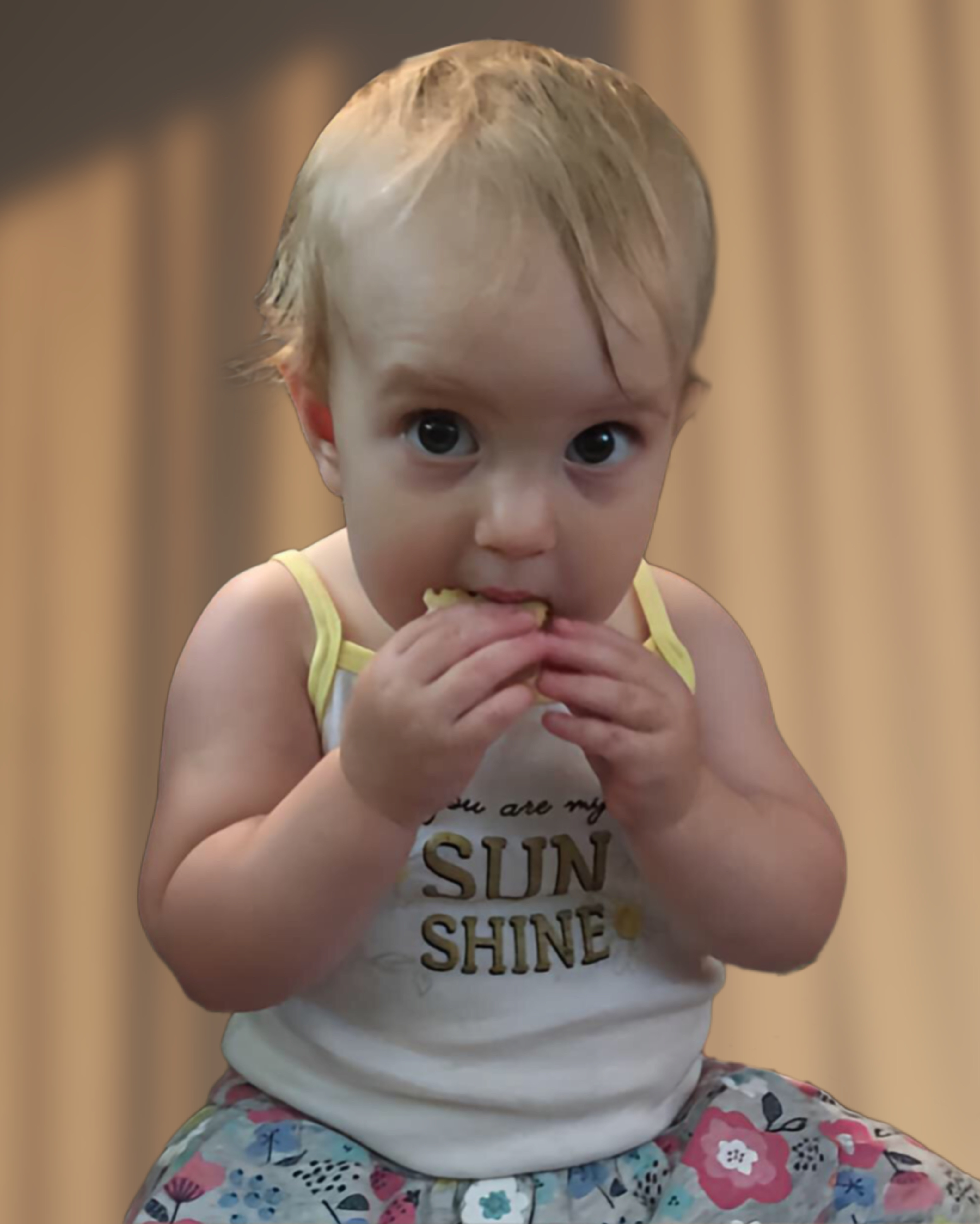
That includes growing physically. Maria is a giant compared to last year at this time. Now that she’s been on solid foods for a while, she’s a champion eater. Still, I was surprised to see her chowing down on crackers the other day. But she’s become an expert with crackers, along with a wide spectrum of other solid foods. We still have to stay with her and watch her carefully when she’s eating things like this, otherwise she might try to stuff multiple crackers in her mouth at the same time. This kid is always ready to eat, and eat, and eat…😉

Her body is growing a lot, of course. She is also growing in awareness, in rudimentary communications skills, in dexterity and mobility. She crawls like lightning, and she can stand without support, but hasn’t done much yet in the way of “walking” (although that may have changed by the time you read this). She has some cheerful and funny facial expressions and gestures; I’d like to think that she is developing a sense of humor for her Papa’s goofiness. Still, food wins out in any bid for attention (see video below). 

If for any reason the video link is not accessible from this page, it may be down. Check back in a couple of days.


Monday, August 29, 2022

The Head of John the Baptist

With shadow and light, Caravaggio conveys to us the drama of this feast day, “The Beheading of Saint John the Baptist.”


Sunday, August 28, 2022

When We Follow Jesus, We Grow in Life

Here is a segment of the text my friends and I have been working on for this week, from the 2022 Spiritual Exercises of the Fraternity of Communion and Liberation. Abbot Mauro-Giuseppe says these words in particular that strike me:

“The encounter with Christ gives and proposes this; that is, everything. So, freedom faces a choice of Christ that is not limited to His words, doctrine, example to follow, love for the poor, the miracles He can do, and everything that you want. The choice of Christ is the choice of Him in the totality of His Person; that is, the choice of Him present, of Him asking to be present in all of my life, asking to be welcomed….” And “those who agree and begin to follow Him, well or badly, those who want to remain attached to Him at every step of life, grow! They grow in life, in their humanity, in all that the presence of Christ makes different, more beautiful, gladder, more intense, more mature, meeker and humbler, more courageous, more capable of tenderness, peace, and the courage to affirm the true and the just decisively, to affirm Him, even to die for Him. Those who agree and follow Him grow in the holiness that is the fullness of humanity made possible for everyone, in every state of life or condition, by Christ’s presence and love. There is nothing of humanity that Christ did not come to redeem and bring to fulfillment. For this reason, we need only Him.”

Saturday, August 27, 2022

Old Age Shows its Nobility…

Old age invites us to rejoice in the passing of time.” From a recent General Audience of Pope Francis:


Friday, August 26, 2022

Jesus is Always Worthy of Our Trust

Jesus is always worthy of our trust. Indeed, we must trust in Him, hope in Him, no matter what.

Even when circumstances are shrouded in darkness, we believe that Jesus is the Savior of the world. 

This affirmation is concrete and personal to a vital Christian faith. The Lord leads us through the darkest of dark valleys; He leads us and accompanies us even (and especially) when we feel lost and alone. The life of faith brings consolation, certainly, because God enters into a relationship with us. He is our loving Father, and all of reality abounds in signs, which are really gestures of His steadfast love and tenderness for each one of us. But the fullness of His love is the giving of His only Son to die for us so that we might rise to eternal life in Him.

Our faith strengthens us especially when we endure suffering, as we look to Christ crucified and suffer in union with Him. Suffering (in ourselves and also "with others"—com-passion) is an aspect of the personal path that each of us is called to walk with Jesus.
.
He is our light in the darkness. He transforms suffering into love—into His love, and He invites us to share in this love, the inscrutable inexhaustible suffering love from the Cross that saves the world

Tuesday, August 23, 2022

“Encouragement and Good Hope Through His Grace”

Listen to the Scriptural readings in the daily liturgy. They are God’s Word, given to us. Jesus, present in His Church, living concretely in His “Mystical Body,” speaks to each of us personally and builds up the communion we share with one another in His Spirit.

Jesus speaks to us. He stays with us. He encourages us to trust in the Father’s love. He strengthens and nourishes our minds and hearts in the Scriptures, especially through the gesture of proclaiming His Word in the Church’s liturgy. It is His gesture, His invitation to us, His gift of wisdom for our lives and closeness to us in our daily journey.

May our Lord Jesus Christ himself and God our Father, who has loved us and given us everlasting encouragement and good hope through his grace, encourage your hearts and strengthen them in every good deed and word” (2 Thessalonians 2:16-17). From the first reading in the Mass of August 23.

Monday, August 22, 2022

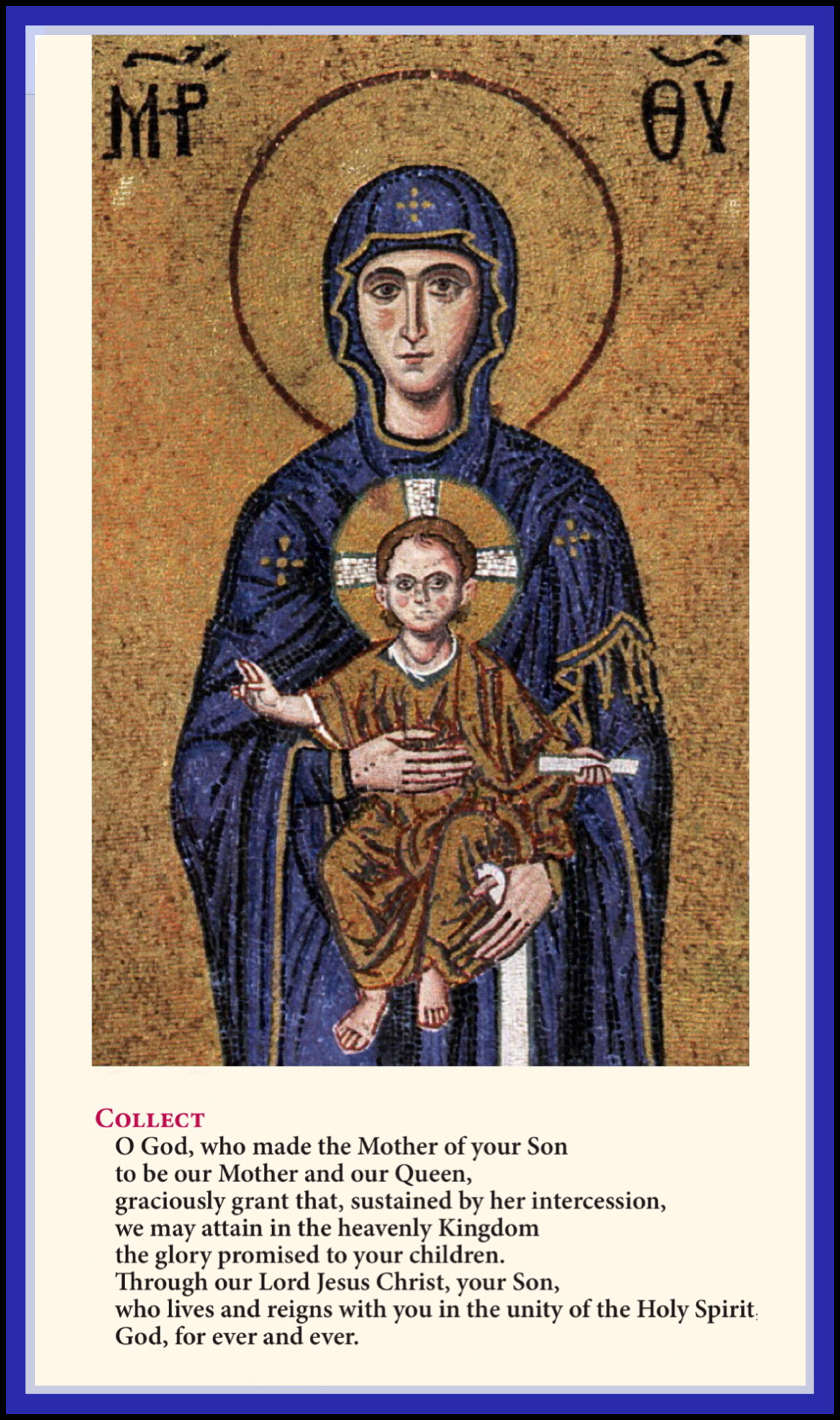
What Does Mary’s “Queenship” Mean?

We honor the Virgin Mary as our Queen, as she is the Mother of Jesus our King.

In today’s world, we are perplexed by terms like “king” and “queen,” and they might conjure up in our minds images of excess wealth, self-indulgent spectacle, and invasive “authoritarian” despotism. But the “royalty” of Jesus (and His mother) is not like this at all. By His inexhaustible outpouring of love on the Cross (love for each one of us personally), Jesus reveals that the Mystery who is the source, sustenance, and goal of our lives is the God who is Infinite Love. Having Jesus as “King” — living within the love of His compassionate and merciful Heart — frees our own hearts from becoming interiorly enslaved to any of the ideologies of this world or the ruling powers who propound them (whether they call themselves “kings” or “prime ministers” or “presidents” or “premiers” or “chiefs” or “bosses” or whatever).

And Mary’s Queenship (her special participation in the fulfillment of her Son’s mission) is manifested by the extension of her maternal love to each of us. As the little brothers and sisters of Jesus, we are her children, and she accompanies us and guides us with a particular closeness, a constant attention, an unfailing tenderness, an incomparable intuition of who each of us is in our individual uniqueness as persons, along with all our particular needs and hopes, and the paths we must travel as we grow toward our fulfillment in God’s love.

Today (and everyday) we are grateful for Mary who has been given to us by Jesus in the communion of the Church to be the incomparable friend of our lives — Mary, our Queen and our Mother.

Friday, August 19, 2022

Late Summer Scenes

This time of year, everything is just kinda “heavy green” colored. But still moist.🌳 The September/October “Over-ripe, tired look” has not yet descended upon the deciduous vegetation.🥀🍃🍂😑 August can have some nice days, when cool fronts pass through - lately we’ve had a few of those.

Here is some “dashed off” digital art based on my own photos. Note that the Blue Ridge Mountains are still “blue”!


Wednesday, August 17, 2022

My “Special Concern” for Musicians (and All Artists)


For as long as I can remember, I have listened to all kinds of music and musicians (as well as being a musician myself for the past 50 years). Since I have my own multifaceted (mostly amateur) aspirations for creativity and engage in various artistic endeavors (musical, pictorial, and poetic), I know something of the particular intensity of the creative process, and the tremendous focus and energy it calls forth from those who dedicate their lives to this kind of work.

I feel like I “have a heart” for musicians and other artists, because I know that creative people have special challenges and difficulties, and that their lives are hard. And if they become celebrities at a young age, immense pressures bear down upon their artistic creativity and their humanity. They need to be regarded with compassion, and held up to God in prayer. We need to be patient with their foolishness, be attentive to whatever is good in their aspirations and work, hope that they will ‘grow up’ eventually, and grieve for those who tear themselves apart. (Too many times I have had to grieve in this way.)

Artists in general endure much suffering just from the demands of their creative work. In the strange and stressful and turbulent times we live in, they face additional special challenges. Among other things, artists must negotiate the perils (as well as the possibilities) of the explosion of technological media and media’s power to exaggerate the value of superficial fame. Artists whose work makes them famous - by virtue of its merits or by chance or by some combination of these factors - can end up having an exceptionally hard time in this regard. Fame has been destructive in many ways to talented people who are thrust suddenly into wealth and celebrity status without a human context that can guide them, and under intense pressure to produce continual novelties.

The Lord knows intimately their pains, the desires of their hearts, their questions and their (often hidden) cries for help. He knows how much or how little culpability they bear for their sins, even those behaviors that appear outlandish and preposterous to their followers and critics.

In no way am I implying that the chaotic, self-indulgent, vain, narcissistic, and violent actions that poison the atmosphere of the celebrity world are justifiable, excusable, or even tolerable. Objective moral evils can only be harmful for human beings and human flourishing, and God knows who bears what measure of responsibility for the distractedness and the “practical nihilism” that weighs so heavily on the dominant mentality of our society. I myself am a sinner who has been foolish in my youth and stubborn in my old age, and it may be pride and timidity as much as anything else that keep me looking "respectable" on my own small stage in life. 

If all we had was our own fragile human freedom, what could we do? But let us never forget that we are all human. We all have the same human hearts, underlying our differences of cultures and circumstances and various gifts, modes of expression, and sufferings. We all have the same human hearts, made for a mysterious happiness, wounded and broken, desperately in need of God’s love, forgiveness, healing, and transformation.

Through Jesus Christ, the grace and mercy of the God who loves us finds ways to draw us, surprise us, provoke us, and even "outwit" us. The Good Shepherd seeks out all His sheep, He knows our roads, and He travels them all the way to the end. 

The mystery of human freedom remains. We must walk freely with the Lord and struggle and fight against the evils we face and our temptation to settle for less, to be self-satisfied and self-centered. 

I pray especially for artists to be faithful to their calling, and me to mine and all of us. My hope is that the infinite mercy of God will win our hearts in the end.

Monday, August 15, 2022

Mary’s Bodily Assumption

“Today the Virgin Mother of God
was assumed into heaven
as the beginning and image
of your Church’s coming to perfection
and a sign of sure hope and comfort to your pilgrim people”


~from Preface, Solemnity of the Assumption


Saturday, August 13, 2022

How to Love Rightly the Things of This World

Genuine Christian faith entails the conviction that created things are good. As humans, we are meant to be "attracted" by the good in creatures, drawn to desire and love them, and drawn toward God through them, drawn to love God preeminently, who is the source and fulfillment of the being and goodness of created things. The problem is not "attraction" in itself. The problem is the mess that sin has made of our humanity. It is not that things themselves are evil; rather it is our sinful self-obsession, our drive to construct the foundation of our selves through controlling things by our own power, that skews our perception of their essential, gratuitous value given to them by God.


The “world” that Jesus warns His disciples about (see e.g. John 15:18-19) is not the same as “the material world” or the created world as such. It is rather humanity’s sinful “reduction” of the meaning of creation; it is the world distorted and abused by sin (the original sin we inherit from our first parents, and our own personal sins and connivance in the dysfunctional and destructive patterns of sinfulness that weigh upon every period of human history).

We deserve to be called “worldly" (in this negative sense) insofar as we willingly blind ourselves to the whole reality of the created world. This world is meant to be the place where embodied persons are called to give and receive love in a multitude of "incarnate" gestures and expressions, which are made possible by the wisdom and goodness inherent in things created by God that contribute to the meaningful and precious environment He entrusts to us, and the beautiful path of our history - our journey toward Him. By contrast, “worldliness” is the result of the effort to cut off the world from God. Our "worldly desires” perceive only "worldly goods," i.e. things merely insofar as they are subject to our own selfish grasping and manipulation.

Thus we do violence to the world God has created in the gift of His love. We covet, take, steal, hoard, violate, and destroy things because we refuse to receive them and give them. When we forget the gift of God, we cannot engage reality: we don't know how to "possess" things with freedom, to learn from them, deepen them by "collaborating" with their riches and marking them with the seal of our own personal creativity, and thus being able to give of ourselves through them. We are the ones who have brought evil and destruction into the world; we have made the world a deceitful, harmful, dangerous place.

But God loves the world. He loves us. The Father reveals the depths of this love by sending His Son, Jesus, the Word made flesh, who dwells among us, accompanies us, dies for us (and thus stays with us even through death) so He can raise us up, heal us, and transform us by joining us to Himself and drawing our hearts to Him.

In following Him we are led to rediscover all the created things of the world in Him. We begin to see ourselves and all things as having their true meaning in Him and for Him. There is nothing reductive about this, because reality is ultimately personal and interpersonal. The encounter with the Person of Jesus is decisive because He fulfills and transcends (in infinite depth) every person and every thing.

In Him, our lives and everything on our earthly path is transfigured. Even though it doesn't often seem that way, as we trudge through the many difficult and lonely days in this life, we hold onto the truth in love and hope, through faith in Jesus who has gone before us in death to resurrection. Thus we learn to engage life and the reality of the world passionately, attentively, but with peace and joy in our hearts, because we know that Jesus Christ has saved the world, and that He is with us in all our days.

Thursday, August 11, 2022

Clare of Assisi and Her “Poor Ladies”

In his biography of Saint Francis, Saint Bonaventure writes of Saint Clare of Assisi (feast day, August 11):

She was the first tender shoot among them and gave off a fragrance like a bright white flower that blooms in spring, and she shone like a radiant star. Now she is glorified in heaven and duly venerated by the Church on earth, she who was the daughter in Christ of our holy father Francis, the little poor man, and the mother of the ‘Poor Ladies’ (Pauperes Dominae).”

After 800 years, we know these devoted nuns as the “Poor Clares.” Their prayers - along with those of other communities of monks and nuns - “carry” the rest of us: in Christ, they sustain the Church… and the world.


Wednesday, August 10, 2022

Christina Grimmie Inspires My Hope For the New Generation

Here we are now, marking six years and two months of remembering and honoring the life and legacy of Christina Grimmie.

I have written many words, and have attempted to express what I perceive to be the greatness of her heart, and the firmness of her commitment to follow Christ. I have tried to articulate the surprising and unusual character of her vocation to be a different kind of presence in the world of mainstream pop music and new communications media. She was not called to preach (though she was open and honest about who she was, and the One she belonged to); rather she was called to let Jesus work through her — to be with people and accompany them, to touch people’s hearts with the tenderness of His gaze, to shine His love in places that are often dark and distant, where there is a lot of confusion, alienation, and pain. In this human context, she was called to develop her talents and her passion for music, and to sing with her amazingly versatile, powerful and gentle, wonderfully expressive voice.

She was also a regular girl, who liked boys and video games and anime cartoons, who liked to have fun and be goofy. Yet she also had a strength and generosity of personality that drew people to her, and she was willing to risk herself… for her music career, and especially for her (mostly young) “frands” and for anyone who was sent her way — that they might know they were loved. Indeed, the way she was taken from this world seems to indicate that she remained faithful to her vocation to the very end, to the final moment of her bright beautiful young life. Six years later, people continue to “discover her” on YouTube, to be amazed by her music, and to encounter her joy and the embrace of her love that illuminates her videos and seems to reach people personally even now.

I have tried through these years to articulate what has struck me about Christina Grimmie. Maybe at times I have tried too hard to “wrap my head around” a reality beyond my grasp, a mystery that cannot be adequately articulated. Such is one of the occupational hazards of the writer and the intellectual, especially in the face of sorrow and tragedy. Still, those of us who practice the craft of words need to say things and write things. I have no “authority” to speak about Christina Grimmie beyond my own impressions (and the similar impressions of many others). I never met her personally, and I can’t say I knew much about her before her death. There is so much that I still don’t know about Christina, about her inner life, her fears, her flaws, her sufferings, her ways of prayer, her day-to-day perspective on life. (Some of these things we will never know in this present world.)

The way Christina presented herself and interacted with people on 21st century media, however, was remarkable (in fact, I have never seen anyone like her in nearly 60 years of my media-saturated life). She was full of music, but also engaged with a wide constellation of human interests and open to a world of people. Her terrific voice and her genius for music were (and are) obvious, but the depth of her humanity might not strike people who just watch a few of her videos, or even those who watched her jaw-dropping performances on The Voice in 2014. 

Beyond the astonishing musical versatility, her seven years on YouTube seem to reveal the growth and development of a normal teenage girl into a healthy and increasingly confident young woman. And that was, in fact, what was happening during that time. In the past six years, I have seen (and, hopefully, helped) three of my four daughters grow from normal teenage girls into healthy and increasingly confident young women (we still have 15-year-old Josefina at home, so the “growing” continues).

My daughters have their own sensibilities, talents, and aspirations. They have their flaws, obviously (as does their father), but they have known the love of Jesus Christ and seek to follow Him, to be faithful to their personal vocations — His ways of encountering them and shaping their lives, whatever may be the circumstances. The same can be said for my son and his wife, and then — of course — there is our first granddaughter with all her possibilities and challenges yet to come.

Fatherhood is very humbling. Yet, somehow — it seems — I have not been a complete disaster as a father (and I am not merely using self-deprecating rhetoric here; it is something of a wonder to me, given all my years of experience of failing so many times, and in so many ways). How can I possibly manage to be anything like a good father? By staying with Jesus Christ, by begging for His mercy every day, and — with the strength He constantly renews in us through the Holy Spirit — by loving and staying with my wife Eileen every day of our 26+ years of marriage, with our mutual irrevocable determination to love each other, forgive each other, and remain together all the rest of the days that lie ahead.

If I as a father… indeed, insofar as Eileen and I as parents have loved and taught our own five precious children well, it has been rooted in this foundation.

And there has been a lot of particular help all along the journey. In navigating these recent years (especially with regard to “teenagers growing up in the 2010s”😮), one of the important lights in the harbor for me, during the storms, has been the legacy and witness of Christina Grimmie. Not only her achievements, but also her “ordinariness,” has encouraged me to give my own daughters the “space” to grow. I have been freer as a father, I think, and more attuned to the mysteriousness of my kids growing up, more able to guide them in the craziness of a world that I don’t understand, because Christina dedicated herself to showing that these years can be a beautiful path. Of course, I also learned much from other families in my own faith community and their kids — who were (and are) the friends of my own kids — but in this epoch of media it meant something that Christina lived this out on what we perceive as the “larger platform” of being under the spotlight. She faced the challenges of growing from adolescence to young adulthood (that can cause parents many particular worries), and she met them and worked through them with genuineness, courtesy, and magnanimity — because through it all she persevered in her great love for God and for other people.

This was the most striking impression of Christina’s life: there seemed to be a special vitality that permeated all her remarkable successes and (even more importantly) the whole way she matured and grew as a person. She trusted in Jesus and sought Him in everything with an immense desire that invested her life with an urgent and intense expectation, opening her up more and more to the possibilities of being loved and giving herself in love.

In time I began to notice this in her videos — she was full of this great love, which made her “grow strong” more and more, which made her confident, authoritative, and courageous. That’s not to say that she never made mistakes. She probably made a lot more mistakes than I can imagine, but she didn’t let them defeat her; she knew she could always turn to the Lord for forgiveness and to her family, close friends, and Team Grimmie for support. I think she had a lot of hidden struggles, but she stayed focused and kept going with renewed ardor.

Christina has been a great sign to me that God loves this generation, and that He is accompanying them and sustaining them as He sends them forth into adult life, into a world that will pose complex problems and dangers that I won’t always understand. This confidence may appear paradoxical, given the tragic end that Christina met with on that night of June 10, 2016. There is no way to avoid the incomprehensibility of her death, and the sorrow that will always remain for us in this world. I also watched two people die in the past three years, and the fact that they were both over 80 years old didn’t take away my sorrow: they were still my father and my mother. Yet here too, Christina has helped me to walk with my grief.

Ultimately, Christina’s life is a witness to the reality of something greater than death. She always “welcomed strangers” at her meet-and-greets. She always wanted to welcome them “with love” and so, too, we can assume that she opened her arms “with love” to that final stranger who — unknown to her — had two guns hiding under his jacket…

Someone wanted hatred to defeat love on that night. But hatred did not win. When we celebrate Christina Grimmie’s life and legacy, we are acknowledging that her life was and remains a masterpiece. All of us will die, sooner or later. Nothing can change this basic fact. But Christina reminds us that what matters most is our relationship with God, who wants to forgive us, heal us, and give us a share in His unending life. I hope and pray that all of us will have some measure of the courage to love that Christina had, and that all of us will know how immensely we are loved by God.

Last month I walked my second daughter Lucia down the aisle in her wedding dress, to help her begin a new adventure, the great adventure of marriage and family. At the end of August she will turn 22 years old, the same age at which Christina “finished the race” and fulfilled God’s purpose for her life. In Christina’s circumstances the end was traumatic, especially for her own family and loved ones and, indeed, all of us “left behind” who still wish she were living this present life with us. None of us wants things like this to happen to our young people. God doesn’t want it. But He created people to be free, which means He doesn’t force them to love Him. When people turn away from God, they perpetuate violence against themselves and others, and God “permits” this because He respects human freedom, but also because He intends to overcome evil and bring forth greater good in His infinite wisdom and kindness and love for us. We don’t often see “how this works” but we have to trust in God.

The Lord didn’t give Christina a long life, but He gave her a life full of beauty and courage and love. Indeed, He gave her a life that touches upon what we mean by the word “heroism.” There was, I think, something heroic about her life. Heroism is inspiring. Christina’s heroism inspires me to have peace as time passes, as things change, as my parents pass away beyond this life, as my children grow up and leave home to follow their vocations.

Christina Grimmie’s heroism inspires me to look toward the future with hope, with greater confidence that “God is good / All the time” and that He makes us grow stronger “little by little,” giving us the strength He knows we need. He wants us to trust in Him.

Tuesday, August 9, 2022

“Become Like a Child…”


Today we commemorate Edith Stein (Saint Teresa Benedicta of the Cross), the great 20th century philosopher, Jewish Catholic convert, Carmelite nun, and martyr for her faith and her people at Auschwitz on August 9, 1942. Above is some digital artwork based on the well-known black-and-white photograph of her.

I keep this quotation - from a letter she wrote to an intellectual colleague - on the shelf next to my bed, and it remains relevant for me every day: 

“Become like a child and lay your life, with all the searching and ruminating, into the Father’s hand” (Edith Stein).